
A structured path through financial habit change
Six weeks. One concept and one exercise per week. A method that works with your automatic behavior rather than against it.
Designed around how behavior actually changes
The course isn't a lecture series. Each week has two parts: a concept explanation that gives you a mental model, and a practical exercise that applies that model to your current daily life.
The exercises are deliberately small. Not because the course is shallow, but because small changes compound. A habit that takes two minutes to start is far more likely to stick than one that requires an hour of effort. The difficulty increases gradually as earlier habits become automatic.
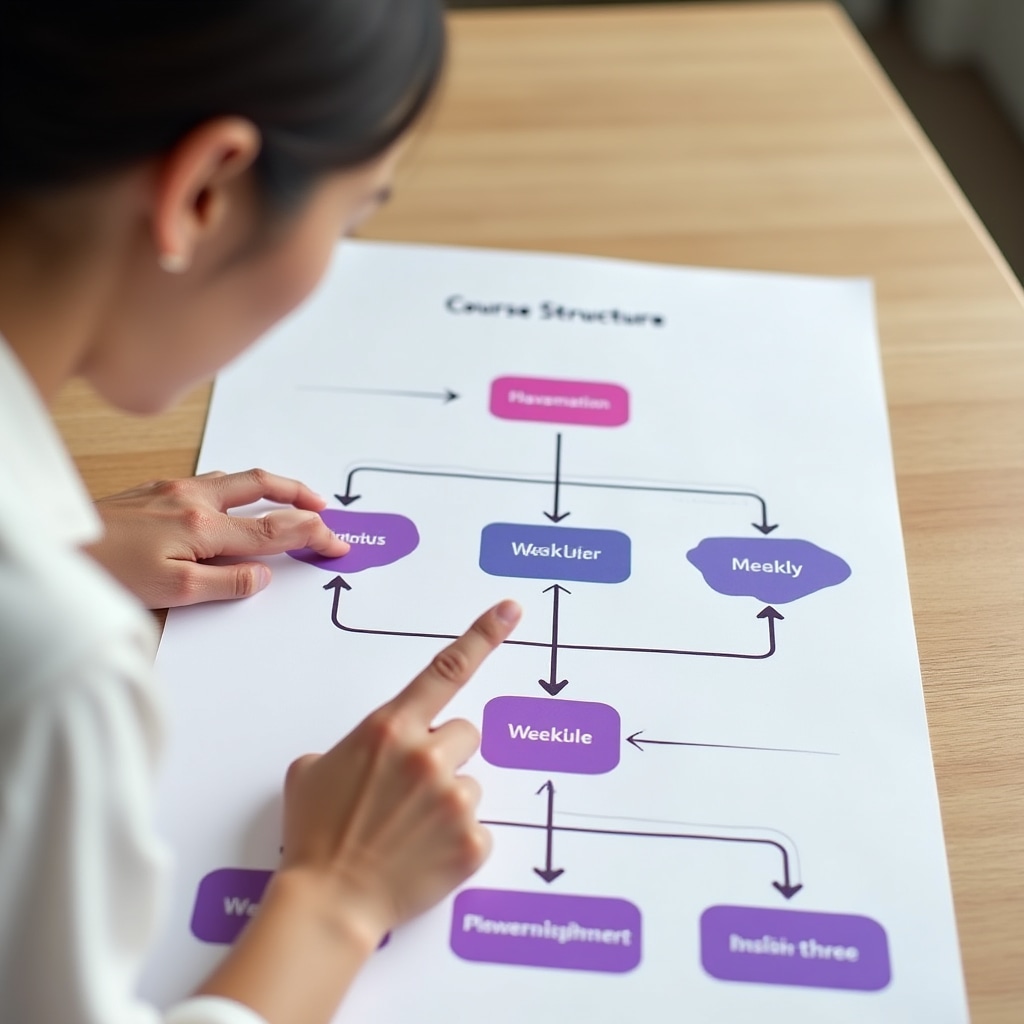
What happens each week
Observation Without Judgment
This week introduces the observation practice. You track what you spend, when you spend it, and what was happening just before — not to build a budget, but to build a map. The concept covered is the habit loop: trigger, routine, reward. Understanding this structure changes how you see your own behavior.
The exercise involves keeping a simple log for seven days. Not every transaction — just the ones that happen automatically, the ones you notice afterward rather than during. These are the patterns the course works with.
Mapping Your Triggers
Using the log from Week 1, this week focuses on identifying the specific triggers behind spending patterns. The concept is contextual cueing — how environments, emotions, times of day, and social situations activate automatic behavior.
The exercise is a trigger analysis. You take five patterns from your log and trace each one back to its cue. Most people find that their spending triggers fall into two or three categories. Knowing this makes the next steps much more targeted.
Redesigning Your Environment
The concept this week is environment design — the idea that physical and digital spaces shape behavior more than intentions do. You look at the environments where your financial habits play out and identify small changes that make the automatic behavior harder or the desired behavior easier.
The exercise is a friction audit. For each spending trigger identified in Week 2, you add one small obstacle — removing a saved payment method, moving an app to a less visible screen position, changing the default on a subscription. Small friction creates a pause, and a pause creates a choice.
Habit Substitution
Eliminating habits rarely works. The trigger remains, and without a routine to satisfy it, the original behavior tends to return under pressure. This week's concept is substitution — keeping the trigger and the reward while replacing the routine in between.
The exercise involves identifying one spending habit and designing a replacement routine that satisfies the same underlying need. Boredom-driven browsing that leads to purchases, for example, can often be redirected to a different browsing behavior that doesn't involve a payment step.
Automating Saving
The concept here is decision removal. When saving requires a deliberate choice each month, it competes with every other financial decision. When it's automatic, it happens before the competition begins. This week explores how automatic transfers, default settings, and pre-commitment devices work with existing behavioral tendencies.
The exercise is setting up one automatic action — a scheduled transfer, a round-up rule, or a default allocation — that moves money toward a saving goal without requiring a monthly decision. The amount matters less than the automaticity.
Building for Resilience
New habits break. The question isn't whether a slip will happen — it will — but how quickly the pattern recovers. This final week covers implementation intentions, recovery planning, and the role of identity in sustaining behavioral change over time.
The exercise is writing a recovery plan for each new habit established in the previous weeks. What will you do the first time the old pattern reasserts? Having a pre-decided response to a slip dramatically increases the chance of returning to the new routine rather than abandoning it.
Ready to explore the course in more detail?
Get in touch and we'll answer any questions about the format, content, or what to expect from each week.
Contact Us